A Message from Your Dentist About the Coronavirus

Dr. Umar Haque • March 27, 2020

As health officials seek to contain the coronavirus outbreak, unprecedented safety measures have been issued for our protection. We want to reassure you that Oak Brook Smiles is also taking extraordinary measures to protect your health and well-being.  

Your Protection Against Exposure

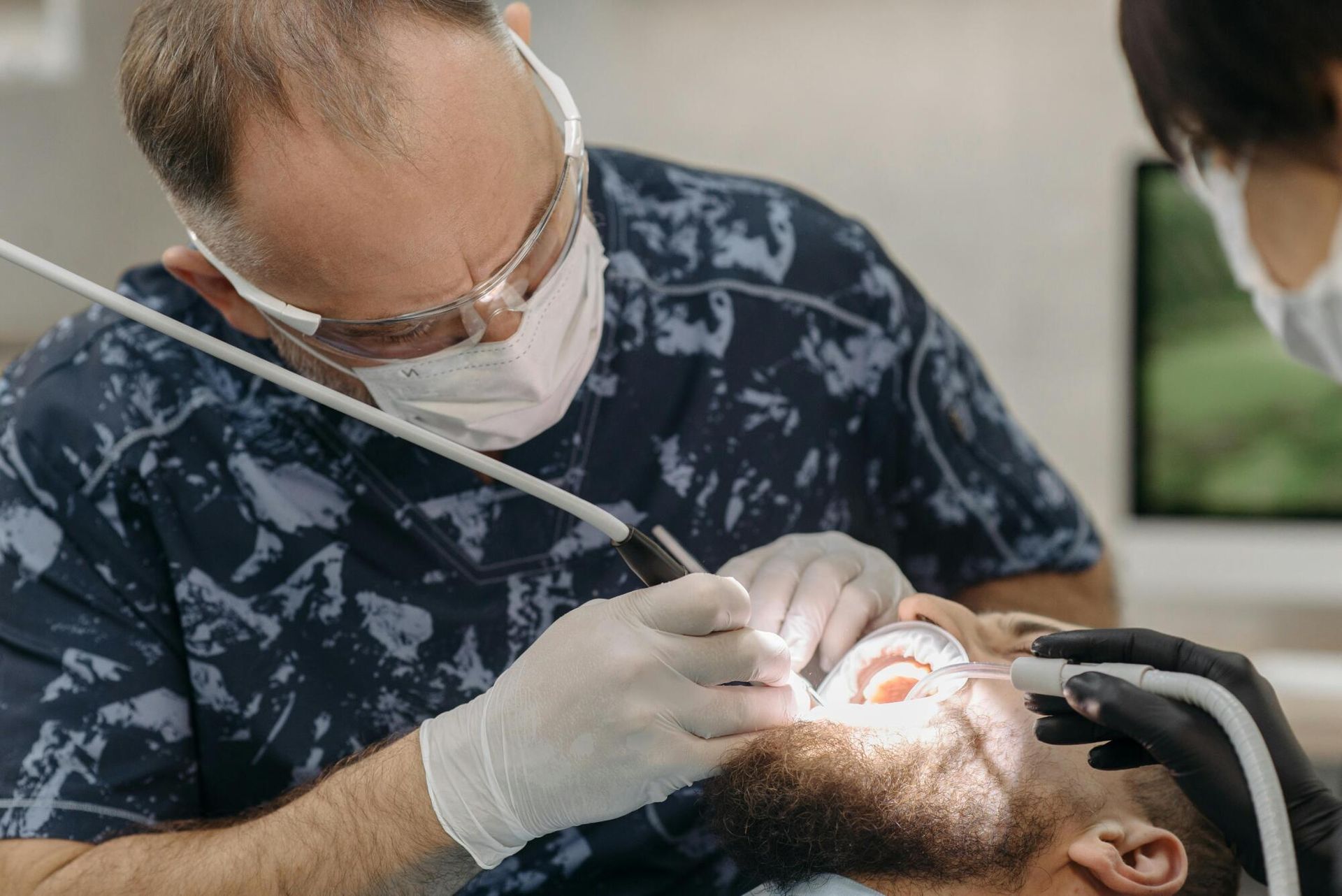
As a healthcare provider, we are held to higher sanitary standards by law. We follow all OSHA requirements including fully sanitizing exam rooms between patient visits, sterilizing dental implements after patient visits and wearing protective gear such as medical gloves and masks. 

To further protect you and the community, we’ve prepared this message to alert others to the connection between one’s oral health, immune system and bodily diseases—including viruses¹ —and provide additional preventive tips.

Link Between Oral Heath, Illness and the Immune System

Your mouth is home to billions of bacteria; some are friendly bacteria while others are harmful. When your oral hygiene regimen is properly done and your immune system is intact, the harmful bacteria is kept in check. However, when oral hygiene habits are poor—including insufficient brushing or flossing and too few professional cleanings—the harmful bacteria can cause tooth decay and gum disease.²  

This tooth decay and gum disease create inflammation which, in turn, damages your gums’ blood vessels and allows bacteria into the bloodstream.³  By its nature, this bacteria not only evades the immune system, it manipulates it so the harmful bacteria can continue to survive.⁴  As your immune system weakens, your susceptibility to diseases like the coronavirus and other infectious illnesses increases

This harmful bacteria can also trigger other health issues such as cardiovascular disease, heart disease, pneumonia and, for expectant mothers, premature birth and underweight babies.² And, as health officials continue to warn us, the coronavirus is more likely to be contracted by those with underlying medical conditions.⁵  

Why We Won’t Close Our Doors 

Despite our own risk of exposure, we refuse to close our doors amid this healthcare crisis. As a frontline healthcare provider, we firmly believe it’s our responsibility to detect and eliminate those oral issues which threaten your immune system and your ability to ward off infectious diseases including the coronavirus and the flu. It’s our mission to do all we can to preserve and protect your help, in good times and bad. 

Warning Signs of Oral Decay and Infection

If you are experiencing any of the following signs of bacterial decay or infection, we strongly recommend you come see Dr. _____ or one of our other dentists to address the issue:
  • Severe tooth pain
  • Swollen face, cheeks or gums
  • Sensitivity to hot or cold food or beverages
  • Sensitivity when biting down
For patients who already have a compromised immune system, eradicating oral decay and infection is even more imperative.
Of course, if you have any signs of illness, stay isolated and seek medical attention as warranted by coronavirus health guidelines. 

Preventive Oral Hygiene Tips

Here are some oral hygiene tips to reduce the risk of exposure to the coronavirus and other illness in your household:
  • Use Your Own Toothbrush: The coronavirus is spread through touching a surface or object which contains the virus and then touching your nose or mouth (and possibly the eyes).⁴ Never share a toothbrush with anyone who may have been exposed to the coronavirus or is ill. As a side note, rinsing the toothbrush will not decontaminate it. To be safe, never share a toothbrush for any reason, even with loved ones.⁶  
  • Don’t store toothbrushes in closed containers: Bacterial growth can occur on toothbrushes when they are covered or stored in closed containers.⁶
  • Don’t share toothpaste: Sharing toothpaste tubes can spread germs. If a member of your household has been exposed to the coronavirus or other communicable disease or is presently ill, give them their own toothpaste tube to use.⁷  
  • Eat Right: The right nutrition supports all your body’s vital functions including the immune system. Guidelines include eating fruits, whole grains, a variety of vegetables and proteins—such as seafood, lean meat and poultry, eggs, nuts, seeds—and more.⁸  Dietary guidelines can be found on the U.S. Department of Health & Human Services site at www.HHS.gov. 
  • Take Vitamin C: A recent medical study indicates vitamin C helps prevent the common cold and reduces its duration. Moreover, inadequate C increases one’s risk of contracting the flu and makes flu symptoms more severe. As studies continue in vitamin C’s direct effect on the coronavirus, taking this supplement should help support your immune system.⁹  

Stay Calm

Despite the alarming headlines, the Centers for Disease Control and Prevention (CDC) reports that the risk of Americans being exposed to the coronavirus is low and that most cases are mild. On our last check, the CDC was reporting 3,487 cases of coronavirus in the U.S. amid a population of 329 million. That means just a fraction of one percent of all Americans have the virus right now and it’s likely symptoms are mild.¹⁰ Compare that to CDC estimates of at least 36 million U.S. cases of the flu over the 2019 – 2020 flu season (March 1, 2019 to March 7, 2020) with a minimum of 370,000 million flu hospitalizations.¹³  

In the meantime, continue to follow CDC guidelines and if you are experiencing signs of oral decay or infection, do not ignore them. Come see us to get it rapidly addressed and eradicated as a health risk.

Best regards, 

Staff at Oak Brook Smiles
1 Colgate: “Eight Common Oral Infections”
2 Mayo Clinic: “Oral health: A window to your overall health”
3 Johnson & Johnson: “4 Fascinating Things Scientists Know About the Billions of Bacteria in Your Mouth”
4 Science Daily: Smile: “Gingivitis bacteria manipulate your immune system so they can thrive in your gums”
5 Harvard Health Publishing: “Coronavirus Resource Center”
6 Science Daily: Smile: “Gingivitis bacteria manipulate your immune system so they can thrive in your gums”
7 Centers for Disease Control and Prevention: “Use & Handling of Toothbrushes”
8  University of Rochester Medical Center: “Toothbrush Tactics: Give Germs the Brush-Off”
9 U.S. Dept. of Health & Human Services: “Dietary Guidelines for Americans”
10 MedicineNet: “Can Vitamin C Prevent and Treat the Corona Virus?”
11 Centers for Disease Control and Prevention: “Coronavirus Disease 2019 (COVID-19)”
12 Centers for Disease Control and Prevention: “Coronavirus Disease 2019 (COVID-19) in the U.S.”
13 The United States Census Bureau: “U.S. and World Population Clock”
14 Centers for Disease Control and Prevention: “2019-2020 U.S. Flu Season: Preliminary Burden Estimates”
By Dr. Umar Haque December 18, 2019
The number one killer of a first impression would have to be bad breath. Bad breath, or halitosis, has also been a leading cause of death. No, I’m kidding. Having bad breath is never a good thing, especially if your a dentist. Bad breath can interfere with your social life, business life and also affect your character as well by making you self-conscious and embarrassed. Bad breath is caused by a variety of factors including: medications, smoking, alcohol, sickness, skipping breakfast, not brushing or sleeping (morning breath). To achieve fresh breath you should: Brush and floss more frequently to eliminate plaque buildup and leftover debris Scrape your tongue to remove bacteria and food debris Avoid smoking Avoid strong smelling foods (onions and garlic) Rinse your mouth with an antibacterial mouthwash to reduce plaque buildup Moisten your mouth to prevent dry mouth and tooth decay Keep your gums healthy to eliminate bacteria in the pockets of teeth If your bad breath continues after you’ve tried all odor elimination methods, schedule a visit with your doctor so they can treat and prevent the problem.
By Dr. Umar Haque November 13, 2019
Do you ever wonder why these past few days your teeth appear a bit longer than normal? Maybe you are experiencing receding gums. When your gums starts to recede, the lower part of your teeth (roots) are exposed making your teeth appear longer. Receding gums are usually a sign of gum disease. This condition happens gradually and is accompanied with tooth sensitivity. Your gums recede because of the following factors: gum diseases, poor oral care, vigorous tooth brushing, teeth grinding, smoking, diseases like diabetes, heredity, and hormonal fluctuations in women. When you suspect for gum recession, it is best that you consult with your dentist or better yet with your periodontist. He/she has the right training in dealing with gum issues. If recession is left untreated, the supporting soft tissues and bone structures around the teeth can be harmed and may lead to tooth loss. Mild receding gums could be treated with tooth scaling and root planing. However, in severe cases, soft tissue grafting or bone grafting procedure is done. Soft tissue grafting is needed to treat receding gums. Its main goal is to cover the exposed lower part of the teeth or thicken the gum tissues in order to stop the existing gum recession. Your dentist will identify what type of soft tissue grafting procedure is best for you. The three types of grafting are: Free gingival graft – This procedure is done to thicken existing gum tissue. The graft is taken from the roof of the mouth (palate) and is sutured to the site where the tissue grafting is needed. Connective tissue graft – This procedure is done to cover larger areas of root exposure. Subepithelial tissues are removed from your palate and are sewn to the grafting site. Pedicle graft – The graft is taken from the soft tissues between the affected site and the adjacent gum. A pedicle (flap of the tissue) is partially cut away and moved to cover the exposed root and stitched into place. Patients who have undergone soft tissue grafting experience increased comfort because the exposed root which causes tooth sensitivity is already covered after the procedure. Their smile has improved and their teeth appeared more symmetrical. And lastly, they have healthier gums. Bone grafting is performed to recreate the bone loss from untreated gum diseases. The procedure uses fragments of bone to replace the bone destroyed by gum diseases. These bones are harvested from the patient, himself, from a cadaver or from the bone of a cow. Bone grafting is done to stabilize and recreate the jaw foundation for restorative surgery. It is also done to inhibit and prevent bone recession due to dental extraction, gum diseases and other invasive dental procedures. It is very important that you take care of your gums to prevent gum recession. Have your dental check-up at least twice a year in order to detect early signs of receding gums. Prompt treatment should be done to prevent further soft tissue recession which may lead to bone loss.
By Dr. Umar Haque October 16, 2019
Self-esteem is essential in maximizing children’s potential in academic achievement, social success, and personal happiness. We all want to protect our children, keep them from harm’s way and guard them from danger. Basically it is the child’s own inner beliefs and self-esteem that is the only thing that can act like an armor and create a shield to protect them from the challenges the world has to throw at them. For a child to reach their full potential, self-esteem is the most crucial tool. It is encouraged that children use their attributes from within to enable them to live with independence and self-worth. They can try to visualize what they want to be in future and how to achieve it. Focusing on desirable outcomes will give positive connections to their inner purpose. For those who are saddened with a low self-esteem, it may mean that your child hasn’t fully discovered that he/she has a special value all her own. To motivate them, parents are encouraged to show we all have that special value, which we can use to help us live the lives we really want and to be happy. As a parent, show your children that you have confidence in their abilities and that they’ll also discover if they really try. The improvement of personal motivation, their positivity for their own capabilities, their respect for their own special values and the optimisms for their own self-worth are truly important for their growth. There are children with low self-esteem who are afraid to try new things and may frequently speak negatively about themselves. They may become over critical, lack confidence and miss out on the fun and learning that other children benefit from. Experts say that the use of a child’s imagination helps children to develop their unique personality, beliefs, and strengths. Children should be encouraged into doing activities that can help them work through their problems and explore their feelings. Early childhood is crucial for developments; emotionally, physically and intellectually. Learning new skills and gaining belief in their potentials are great ways to improve self-esteem in children. By interacting with other kids at sports clubs, reading a book or joining a book club, they would learn how to praise themselves and use their imaginations to motivate all welcomed possibilities. To overcome self esteem issues and lack of confidence we need to Identify and redirect the child’s inaccurate beliefs. Self-esteem is all about the way you judge yourself. Always encourage your children to value themselves and to use their potential, to live personally successful lives and contribute to the success of others. Along with promoting children’s individual self-discovery and self-esteem, teach your children the importance of discovering others self-worth and becoming respectfully aware of others. To not only understand their own specialties but to seek and understand the positives and strengths in everyone.
By Dr. Haque Umar September 11, 2019
Today’s modern dental office is more like a spa than like the cold, imposing dental offices you may have visited when you were younger. Top dentists today understand how common dental anxiety is and try to go out of their way to help them feel calm and to provide services like sedation and nitrous oxide for patients who fear dental treatments. A new option is the use of ozone in some dental procedures. One of the best things about ozone dentistry is that in some cases it can prevent the use of the dental drill to address problems. What is Ozone? Ozone is sometimes referred to as “trioxygen.” It consists of three oxygen atoms and is less stable than ordinary oxygen, which normally consists of two oxygen atoms. Ozone breaks down into normal oxygen within about a half an hour. It is formed from regular oxygen by the use of ultraviolet light and electrical discharge. Ozone is present in very low concentrations in the earth’s atmosphere, but dentists who practice ozone dentistry have machines that create ozone on demand. Ozone is known as an “oxidizer” and is used in numerous industries for cleaning and sterilizing procedures. Ozone Properties and Modern Dentistry Because ozone is a powerful oxidizer, it can be used to oxidize things like the bacteria that cause dental cavities. Ozone also destroys the acids that are produced by the bacteria that wear away tooth enamel. When ozone is used to treat a cavity, the patient’s own saliva is able to enter areas where mineral loss is present and work to harden these areas. When slightly damaged areas of a tooth are re-hardened this way, the tooth becomes more resistant to future decay. Painless Dental Treatments Ozone dentistry practices can do without the use of a drill when cavities are caught in their earliest stages. This means no injection of Novocain. When tooth decay is more extensive, ozone can be used to sterilize areas of decay with minimal use of a drill or air abrasion of the affected area. The dental practices that use ozone use FDA-approved machines to create ozone and ozonated water. The ozonated water can be used as a mouth rinse for optimal sterilization. Ozone dentistry for the treatment of cavities is very quick, too. The treatment itself only takes about a minute, which is far less than the time spent in the chair for getting a cavity filled. Ozone and Modern Dentistry Ozone dentistry is the future of the dental office. It is quick, painless, and produces superior results and in usually does not involve the use of a drill. People who fear visiting the dentist find this process to be nearly stress-free. Standard dental cleanings and at-home dental care are still as important as always, but the use of ozone in dentistry has added yet another tool that dentists can use to deal with dental problems effectively.
By Dr. Umar Haque August 21, 2019
Tooth loss can cause negative effects to the total well being of an individual. It affects the person’s ability to eat, speak and even smile or laugh. People with multiple teeth loss often judges by others to be unhealthy, unhygienic and are not able to take care of themselves. This kind of negativity can influence the person’s self confidence and his/her ability to land a good job. Losing multiple teeth can be attributed to different factors such as trauma, dental diseases, and bad dental habits such as bruxism or teeth grinding. A tooth or multiple teeth can be knocked out from accidents such as falling where your face hits the ground, colliding to a person or objects in sports, or in vehicular accidents; and trauma, where someone hits you on the face. The most common cause of tooth loss among adults and children is dental diseases. Dental disease if left untreated, will not only cause decay to the tooth’s structures but it will also damage the tooth’s surrounding tissues (gums) and supporting structures (jaw bone) which can eventually lead to tooth loss. Lastly, bad dental habits such as teeth grinding when angry and stressed may wear out and fracture a tooth in a way that it cannot be saved and must be extracted. With the advancement in dental technology, there are many options in replacing missing teeth. Among these options, using dental implants prove to be more advantageous. They are more stable and resistant to decay. Since they function as a dental root, they help prevent bone loss which is caused by a missing tooth. After an implant is placed, a dental crown is used to cover and protect it. In dealing with multiple teeth loss, usually a dentist would advise his/her patient to replace the teeth with the use of a fixed dental bridge. A traditional fixed dental bridge would make use of the remaining healthy adjacent teeth to serve as abutments. These teeth undergo grinding to fit the crowns present in the bridge. However, if you choose to have dental implants, you can save these remaining teeth from being manipulated. The implants will serve as the abutments in lieu of the adjacent teeth. Adjacent teeth used as abutments in a dental bridge are often at risk for tooth decay. Since dental implants are usually made from titanium alloy, the risk for decay under the bridge is not possible. If you consider dental implants as the method of choice in managing multiple teeth loss, ask your Oakbrook dentist about it. He/she will offer you Oakbrook dental implants that will best serve your needs and budget.
By Dr. Umar Haque July 31, 2019
Handling Oak Brook Malocclusions When you talk about malocclusions, you are referring to the improper arrangement of the teeth in the jaw. The teeth are supposed to develop in harmony with each other, forming the appropriate curves and lines that results into your having an attractive smile. Most of the time, the teeth erupt on their correct location forming into an even set of teeth that one can truly enjoy. In some situations a malocclusion issue will be present and Oak Brook malocclusion specialists – such as an Orthodontist – is sought after to provide perfect solutions. Oak Brook Malocclusions Treatment When a patient is dealing with some malocclusion problems, he can come to a dentist for the appropriate treatment. Ideally, orthodontic issues may be resolved by removable appliances. Usually indicated for younger patients (children and teenagers) going through their growth phase, the removable appliance is worn so that Oak Brook malocclusions may be resolved without the need for lengthy, expensive and more complicated teeth braces and Invisalign. Teeth braces are the most traditional treatment of choice when the patient is dealing with misalignments and maloclussions. Braces treatments make use of brackets that are attached to the teeth, so that the wires and rubbers may be used to move the teeth. Invisalign is a more advanced orthodontic option that may be utilized for Oak Brook malocclusion treatments. Using clear or invisible trays, the teeth may be moved without needing to use braces and other appliances. When the malocclusions also present jaw joint issues, splint therapy is usually indicated. A splint may be worn by the patient to reposition his jaws and alter his bite. Once the realignment is achieved, the next phase of treatment (orthodontics or prosthodontics) may proceed. Apart from the impressive work they do on Oak Brook malocclusions, dentists also employ various bone grafting techniques when the necessity indicates so. Oak Brook bone grafting procedures are sometimes indicated as a prerequisite orthodontic treatments. The success of orthodontic treatments rely on the ability of the teeth to be moved around the jaw. When the bone is of poor quality, you will not be able to subject teeth to strong orthodontic forces. To allow for such to be performed, an Oak Brook bone grafting procedure may be indicated before an Oak Brook malocclusion can be addressed. Bone grafting material will be installed into the jaw, to alter the condition of the bone and when it has properly healed, the braces may be installed and the treatment may move on.
By Dr. Umar Haque June 19, 2019
If one of the dentists at Oak Brook Smile has told you that you need a restorative dentistry procedure, you may not be entirely clear on what that means. If so, you’re not alone. “What is restorative dentistry?” is a common question that we hear from patients. According to the American Dental Association, restorative dentistry is the process of restoring the teeth, gums, and jaw to a healthy state in order to preserve long-term oral health. You may require one or more procedures if you meet the following criteria: You experience pain when biting and chewing food You desire to improve the appearance of your smile by filling in small gaps between your teeth Treatment is necessary to preserve damaged or decayed teeth and to improve their function and appearance One of our dentists recommends replacing a previous dental treatment that has failed You have an improper bite or misaligned teeth You are missing one, several, or all of your teeth One of more of your teeth contain cavities
By Dr. Umar Haque May 22, 2019
Why do we need professional fluoride treatments when we have fluoride toothpaste and fluoride mouthwash at home? Professional fluoride treatments are recommended in order to prevent tooth decay and make teeth more resilient to plaque, sugar and other bacteria in your mouth. Fluoride is a mineral that helps restore and build a tooth enamel layer. Fluoride is not only in your tooth paste or mouthwash, it’s also found in a variety of different foods and in water, which contributes to the restoration of tooth enamel. Fluoride is also used in order to reverse decay. Fluoride treatments are important because it helps prevent dental issues and strengthen developing teeth. Dental problems that fluoride treatments prevent are: Dry mouth (Xerostomia): Lack of saliva caused by medications and certain medical treatments. Gum disease: Gingivitis or periodontitis, exposes the tooth and the roots of your teeth to bacteria. Cavities: Tooth decay that leads tooth rotting. Fluoride treatments help restore, strengthen, and build tooth enamel and prevent tooth decay. This particular treatment plays an important role in the caring for your teeth because it cleans, strengthens, and restores your current teeth. Additional home fluoride treatments (brushing and rinsing) are also very useful and effective when it comes down to the life of your teeth. Always remember, additional home fluoride treatments are very useful when it comes down to the life of your teeth.
By Dr. Umar Haque April 10, 2019
Let’s face it, we all are put in situations where we can’t understand how or why something is happening. For example, you’ve been taking proper care of your teeth, but yet just can’t realize why your gums are continually bleeding after each time you brush. Or why you have lingering bad breath and you’ve just brushed your teeth and tongue. Chances are you have gum disease. Gum disease is a painless condition that your gums and surrounding tissues of your teeth go through once the gums have been irritated, infected by bacteria from plaque left on the teeth and left untreated. The number one question now is “If gum disease is painless, how would I know if I have it?” Although gum disease is painless, there are a few factors to consider that occur in the stages of gum disease. Here are: Bleeding gums during and after brushing your teeth: If you experience any bleeding of the gums while brushing your teeth it may be because of the your brushing style or the actual brush your using. It is recommended that you use a soft-bristled toothbrush and go in gentle, circular motions to brush your teeth. Swollen gums: Swollen gums can happen for many different reasons including incorrect brushing and flossing. A much more serious cause is gum disease. If your gums become painlessly inflamed it is safe to say it’s a symptom of gum disease. You should see your dentist immediately if this symptom occurs because it can be treated and prevented for later occurrences. Lingering bad breath: Halitosis, or bad breath, is another symptom of gum disease. Bad breath can form from a variety of reasons ranging from the foods that you eat, to the medicines you take. If your bad breath remains persistent you should see a dentist immediately. Receding gums: When your gums recede they form gaps between your teeth and your gums, which makes it easier for bacteria to build up and damage your gums. If you notice this problem with your gums you should see your dentist immediately so that your gums can be treated to prevent other damage and your gum tissue will continue to be health. If you notice any of these symptoms it is recommended that you make a visit to your dentist and get examined to make sure that you aren’t developing any dental illnesses and so that you can be treated for any present dental issues.
By Dr. Umar Haque March 20, 2019
It is essential that you to take good care of your teeth. If you value the function of your pearly whites, you have to make sure to take good care of it. Your personal efforts at home should make amazing contributions to the maintenance of your oral health but it is not going to be enough. The health and beauty of your teeth is best safe guarded with the help of your trusted dentist. The combined effort of the patient and the dentist should guarantee health and function. Making sure to visit the dentist regularly is going to be very helpful, unfortunately inexpensive dental procedures are not always easy to find so you have to be a little watchful. The importance of finding a dentist that can offer inexpensive dental treatments is going to be important. So that you can properly preserve the health and beauty of your smile, you should make it a habit to visit the dentist on a regular basis for preventive and therapeutic means. Dental procedures are not exactly cheap but know that there are ways for you to receive inexpensive dental treatments, here are some solution: Dental Insurance: Health Insurances are the best way that one is able to receive affordable dental procedures. It does not matter if the dental insurance was obtained through employment or through personal means, what matters is there is appropriate coverage that will shoulder the expenses of the procedure you require. Some dental insurances are generous enough to give full coverage on all minor and major dental procedures, even cosmetic and dental implants; some may only handle a part of the fee, so that means that the patient will have to pay for a portion of the fee. Dental Financing: Another amazing payment method is afforded by dental financing. This is a payment scheme that is offered at some dental offices to may treatment fees so much more bearable to the patient to cover. Instead of paying a large sum of money, the total amount is cut into smaller instalment fees so that it does not have to be so burdensome, but you get to receive the treatment procedure you need. Credit Card: Credit cards are also very helpful for health expenses especially if you have the credit card that is designed for use in medical purposes. Credit cards can be arranged so that your payments are deferred. This allows you to afford usually expensive dental procedures and receive the treatment that you need to receive. Dental Coupons: Although this may not be as readily available as you would hope for them to be, there are dental coupons at different discount sites that you can use. It is quite rare but if you are lucky, you can enjoy as much as 90% discount on all kinds of dental procedures. Payday Discount: This is another rare example of discount offer that you can avail of at a dental office. This is a discount offer that bases rates of treatment on a person’s salary and capacity to pay. This means that when there is a necessity, the dental expert will tend to be more lenient in terms of payments. It may seem difficult but it is not impossible. Inexpensive dental treatments are available to you, you just need to know where to find them.