How To Know If You Have Periodontal Disease
Dr. Umar Haque • January 16, 2018

How To Know If You Have Periodontal Disease
The oral cavity is composed of the teeth, the jaw bone, the soft tissue (the gums, lips, cheeks, floor of the mouth) and the periodontal fibers — and health can only be declared when all of these structures are found at perfect health. The teeth, although the main structure of the mouth, is not the only structure you have to concern yourself with because the soft tissues are even weaker than the teeth and therefore more susceptible to disease.
Gum disease develops from a successful bacterial attack. Some attacks from the bacteria can lead to tooth decay when disease is allowed to penetrate into the teeth to infect it heavily. Once the bacteria spreads to the teeth, the tissues degrade and deteriorate infecting deeper into the teeth and mouth. Some attacks from the bacteria may proceed to cause gum disease. Gum infection may initially occur as gingivitis, but it can progress into a more serious condition that is referred to as periodontal disease.
Periodontal disease is an unfortunate gum condition that may lead to tooth loss and if you value your teeth and your smile, you will make an effort to combat periodontal disease. One’s best chance against disease is to prevent it; but since this cannot be guaranteed, early treatment is your next ticket out.
The following are some of the significant signs of periodontal disease that you ought to look out for; keep your eyes open and know if you have periodontal disease.
Look at the condition of the gum tissue
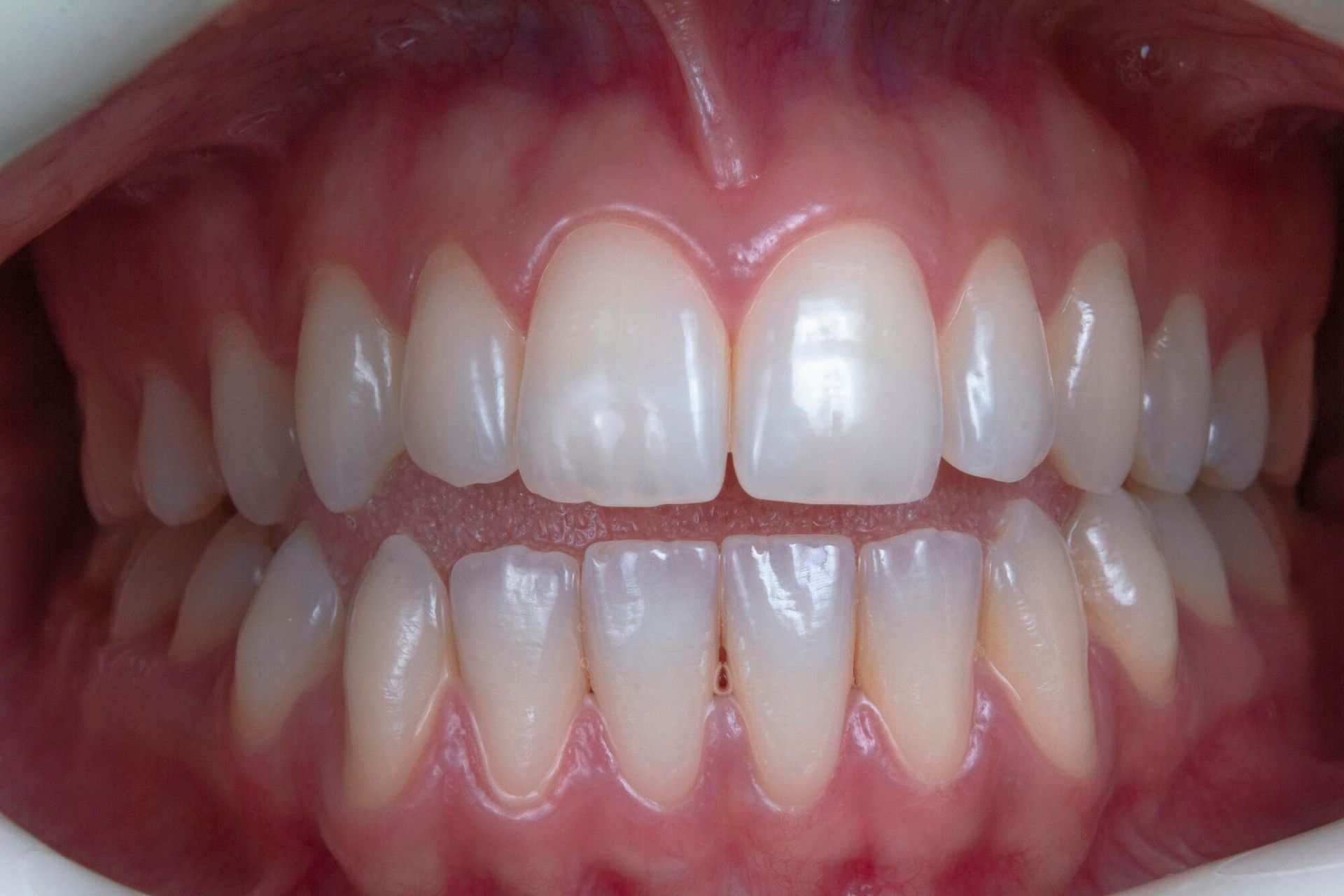
At health, the gums are supposed to be of a coral pink color and should appear to have stipplings like an orange peal on its surface. When gum disease ensues the infection all these healthy characteristics may not be present anymore and you will find the gums to be reddish and bleeding, and may even present with some pus formation to indicate severity of infection. Severe gum infection will almost automatically mean loss of attachment, so that the bone and the roots will be exposed, further compromising oral health.
Identify the health of the underlying bone tissue
The main thing that differentiates Gingivitis with Periodontitis is bone involvement. When the infection spreads further, it will spread from the soft tissue into the bone and there will be significant bone loss. Often, earlier stages of bone loss is only confirmed with a radiograph but when the condition is more severe, the clinical appearance of the mouth will be evidence enough. In other words, bone loss is more pronounced and easily detected.
Gauge the stability of the tooth within the socket
When bone is lost, the tooth loses support and attachment so its stability is compromised. Mobility will be a likely consequence and may be manifested in varying degrees, depending on the nature and severity of bone loss.
Periodontal disease is progressive gum disease that may lead to tooth loss and the unfortunate degradation of oral health. If the problem is not detected early and not given proper resolution when help is still effective, you may not ever find freedom from periodontal disease. Being aware of the signs of periodontal disease will give you a fair chance to help your teeth survive so that you can preserve your smile.
Replacing an old dental bridge? Discover how dental implants in Oakbrook Terrace, IL, preserve your natural jawbone structure. Read our guide now!

A broken crown can ruin a critical corporate meeting. Discover why you need an emergency dentist in Oakbrook Terrace before an infection sets in. Read more now!

Enhance your natural beauty with a leading cosmetic dentist in Oakbrook Terrace. Schedule a consultation and take the first step towards a radiant smile.
Discover the signs you need a dentist in Oakbrook Terrace. Prioritize your dental health and book an appointment today! Click to learn more.

Learn how Oak Brook Smiles protects patients amid COVID‑19, links oral health to immunity, and offers tips to strengthen your immune system
Identify causes of bad breath—from smoking and medications to skipping meals—and learn prevention tips like brushing, tongue scraping and mouthwash

Recognize receding gums—longer teeth, sensitivity and gum disease—and learn treatments like scaling, soft tissue and bone grafts to restore gum health

Support your child's self‑esteem with practical tips to foster positive beliefs, motivation and imagination, promoting confidence and healthy development

Discover ozone dentistry—a drill‑free treatment using ozonated water to kill bacteria and re‑harden enamel for anxiety‑free cavity care
Understand the impact of losing several teeth and explore replacement options—particularly implants—for restored function, confidence and jawbone preservation